These beaches are more than a beautiful place to spend the day. They’re nesting grounds and wildlife habitat for protected species, and part of what makes Anna Maria Island special.
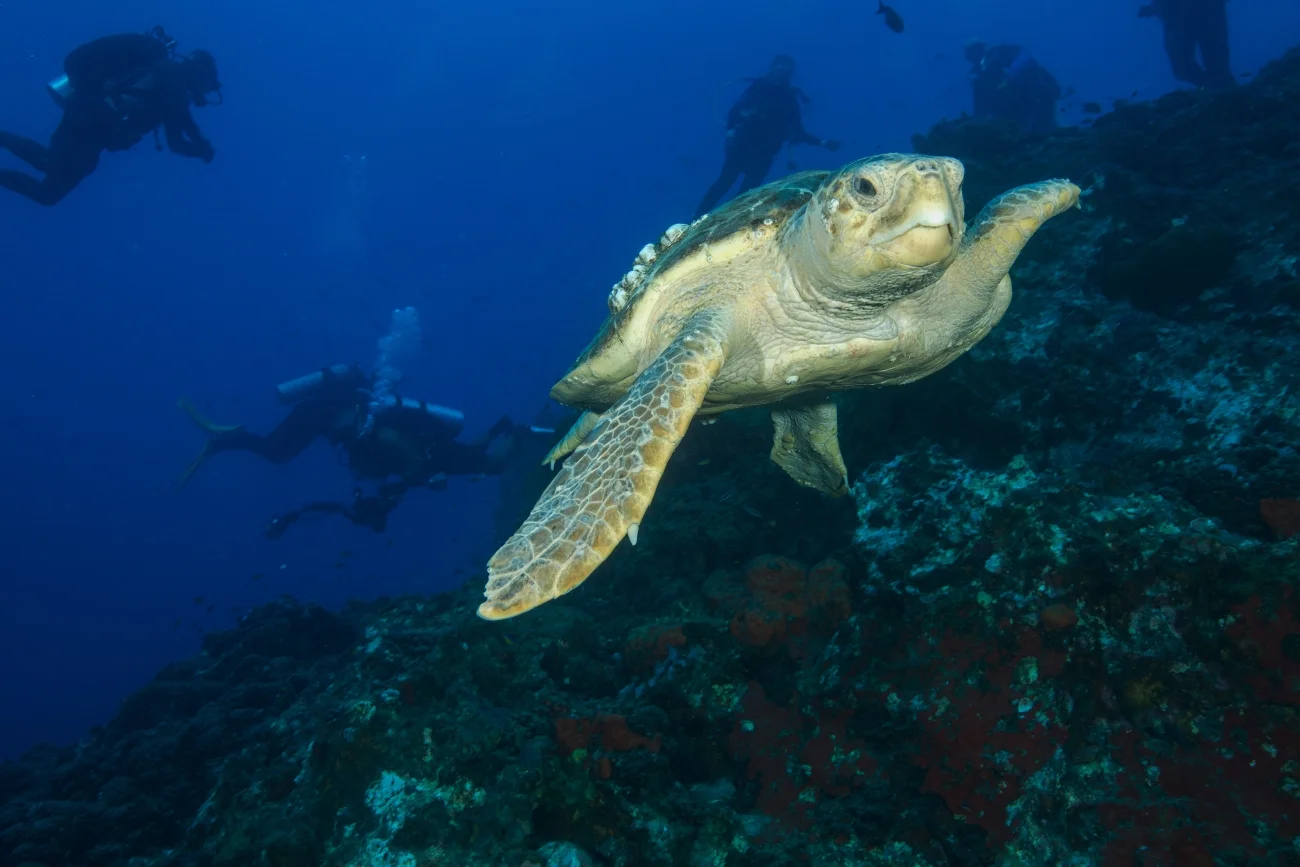
Our island. Their home.Loggerhead sea turtle · Photo: G.P. Schmahl/NOAA
A SHORELINE WE SHARE
Make room for the island’s wild side.
Sea turtles
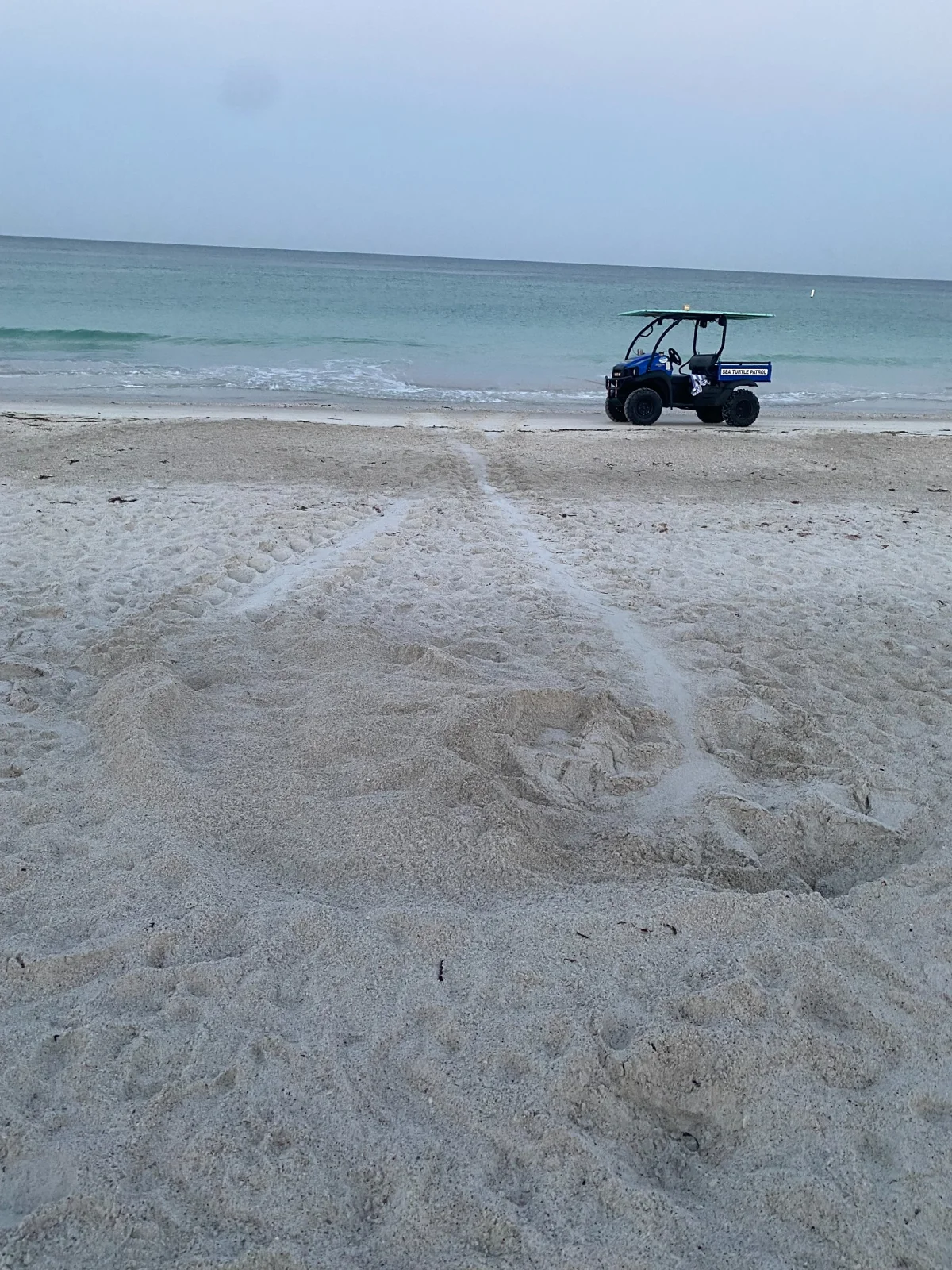
Look for turtle tracks before placing beach furniture. These tracks help AMITW find and protect nests.
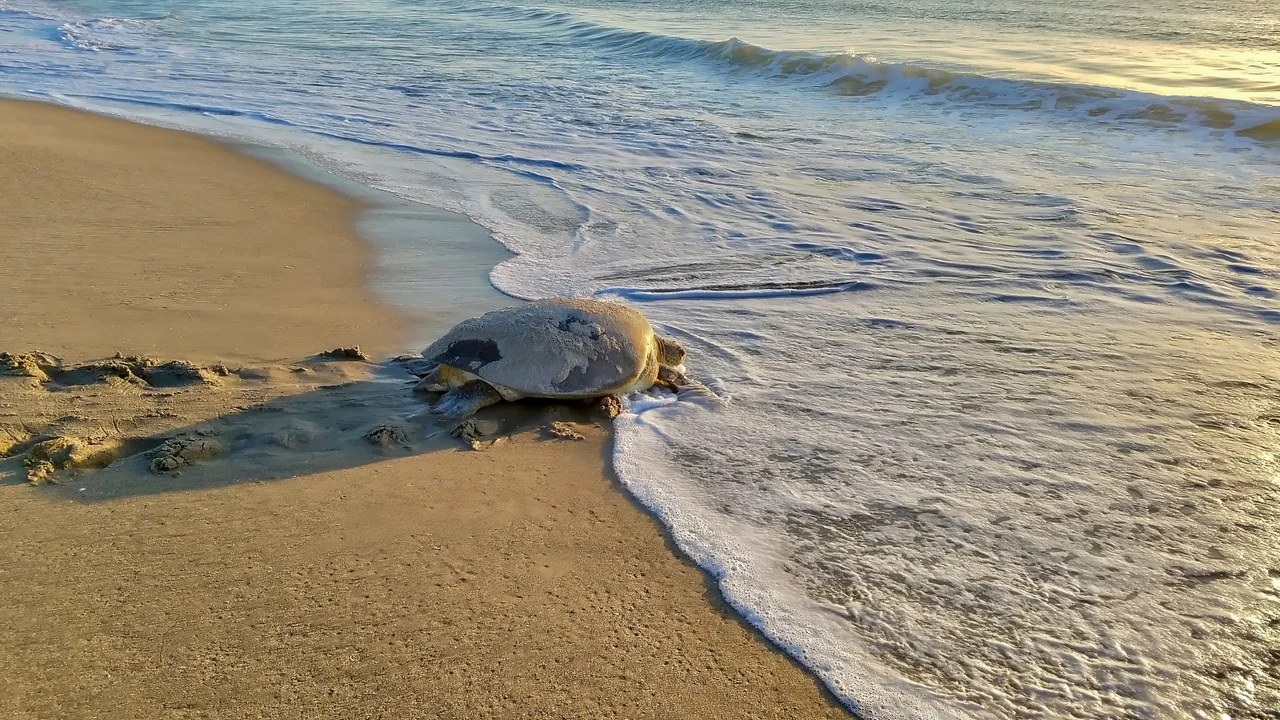
Sea turtles spend most of their lives in the water. During nesting season, females come ashore to lay eggs in the sand. About two months later, hatchlings emerge and make their way toward the Gulf.
Loggerheads are the island’s most common nesting sea turtle, while green sea turtles occasionally nest here, too.
Nesting occurs between April and August, with hatchlings emerging between June and November.
Small actions matter
A dark, clean, unobstructed beach gives nesting turtles and hatchlings a safer journey to and from the Gulf.
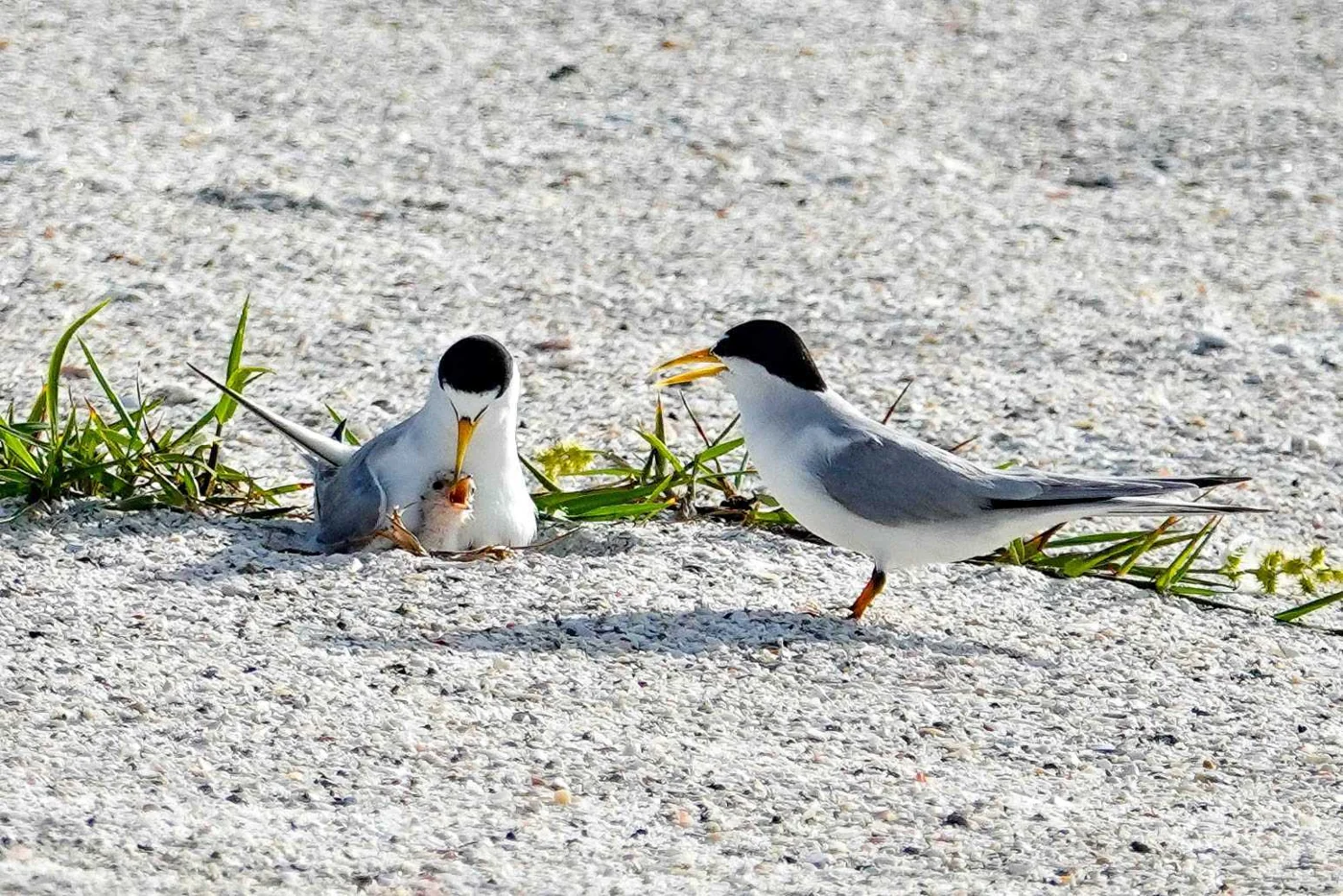
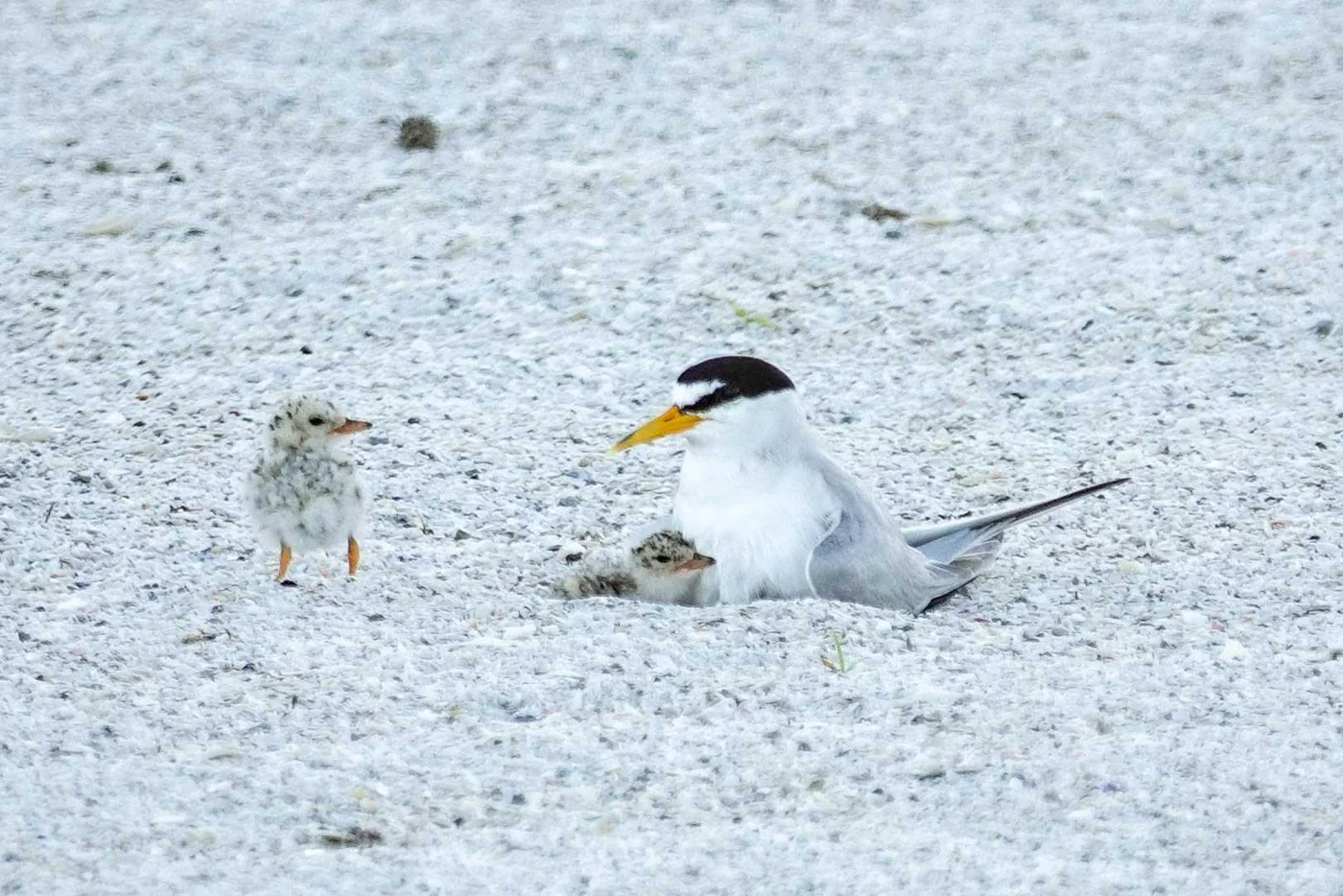
Least Tern families on the sand. Photos: Kathy Doddridge.
Shorebirds lay their eggs directly on the sand. Their chicks feed nearby as they grow and learn to fly and feed on their own. Other birds stop on the island to feed and rest during their journeys.
Black Skimmers, American Oystercatchers, Least Terns, and Snowy Plovers nest on Anna Maria Island. Federally protected Red Knots and Piping Plovers also rest and feed here during winter and migration.
Shorebirds nest on the island between February and September. Eggs hatch about a month after they are laid. Although chicks can move around within hours of hatching, it takes at least another month before they can fly and feed on their own.
Small actions matter
Give nesting shorebirds plenty of space, respect roped-off areas, and watch for roaming chicks nearby. Don’t chase or feed shorebirds, and keep food scraps off the beach. Let them find the food and rest they need.
AMITW patrols the beach at dawn every morning, continuing until they have attended to all sea turtle and shorebird activity. They do not patrol at night.
They encourage visitors to leave the beach for the turtles at night. Even careful walkers can accidentally disturb a nesting turtle or prevent her from coming ashore where she wants to nest.
Before placing furniture on the sand in the morning, look for sea turtle tracks and leave them undisturbed.
ANOTHER NEIGHBOR IN THE DUNES
A land turtle. A different kind of home.
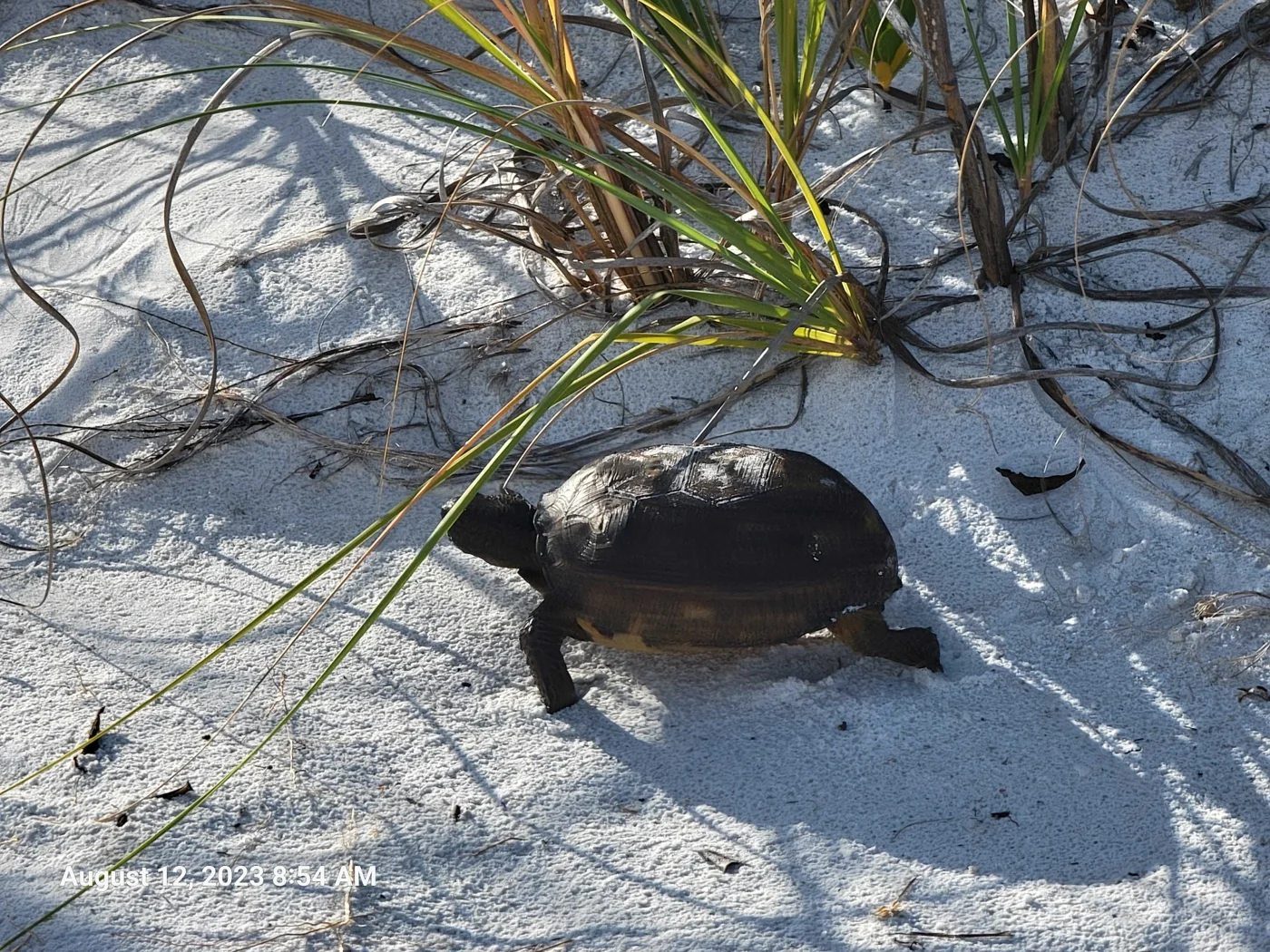
I’m a gopher tortoise. I’m a land turtle, not a sea turtle. I live in the dunes on Anna Maria Island, and I’m not a good swimmer.
Please do not put me in the water.
CABANUP IN THE COMMUNITY
Setting up for something bigger.
CabanUp is proud to support Anna Maria Island Turtle Watch & Shorebird Monitoring and the work they do to protect the wildlife that shares our beaches.
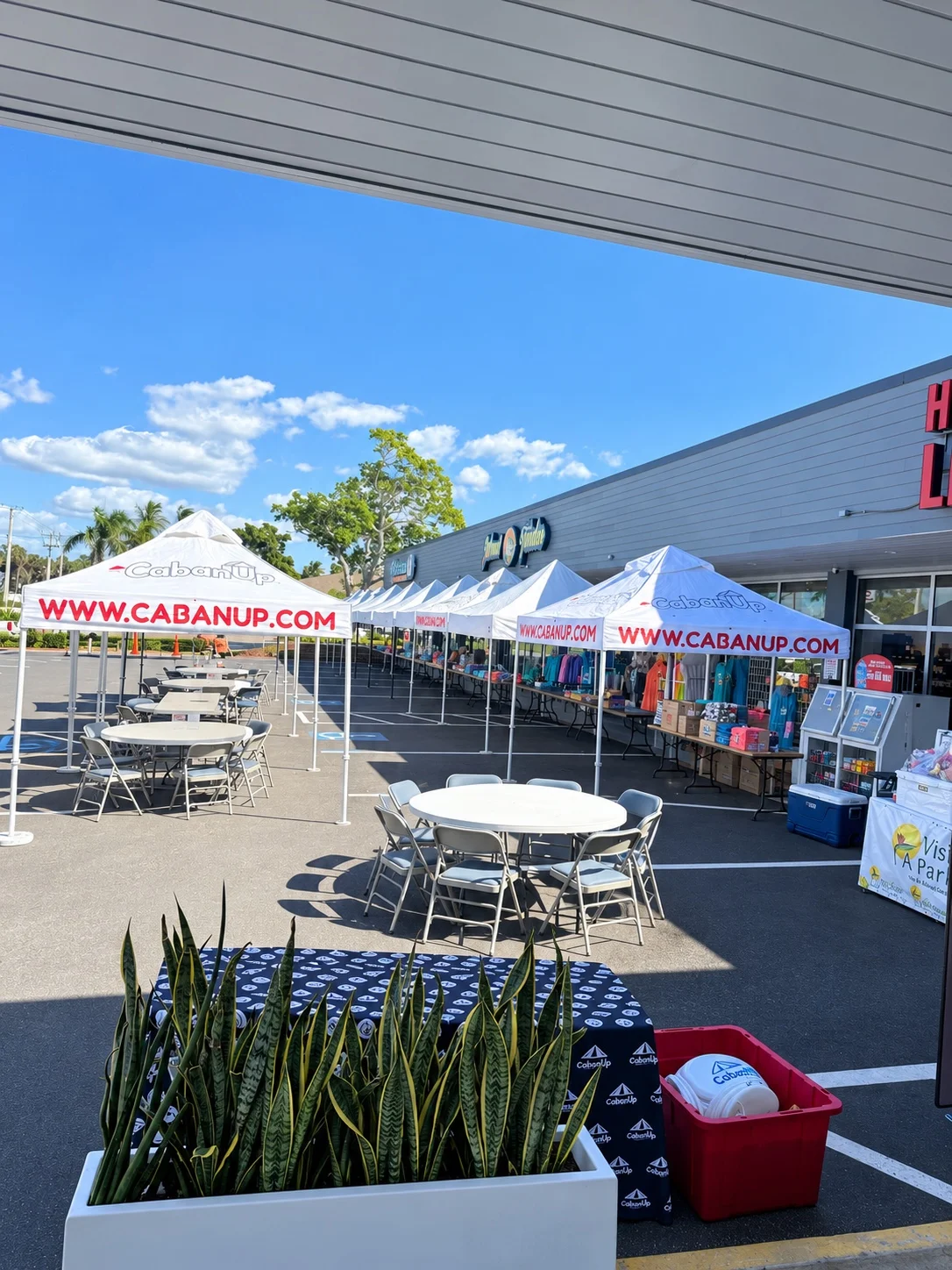
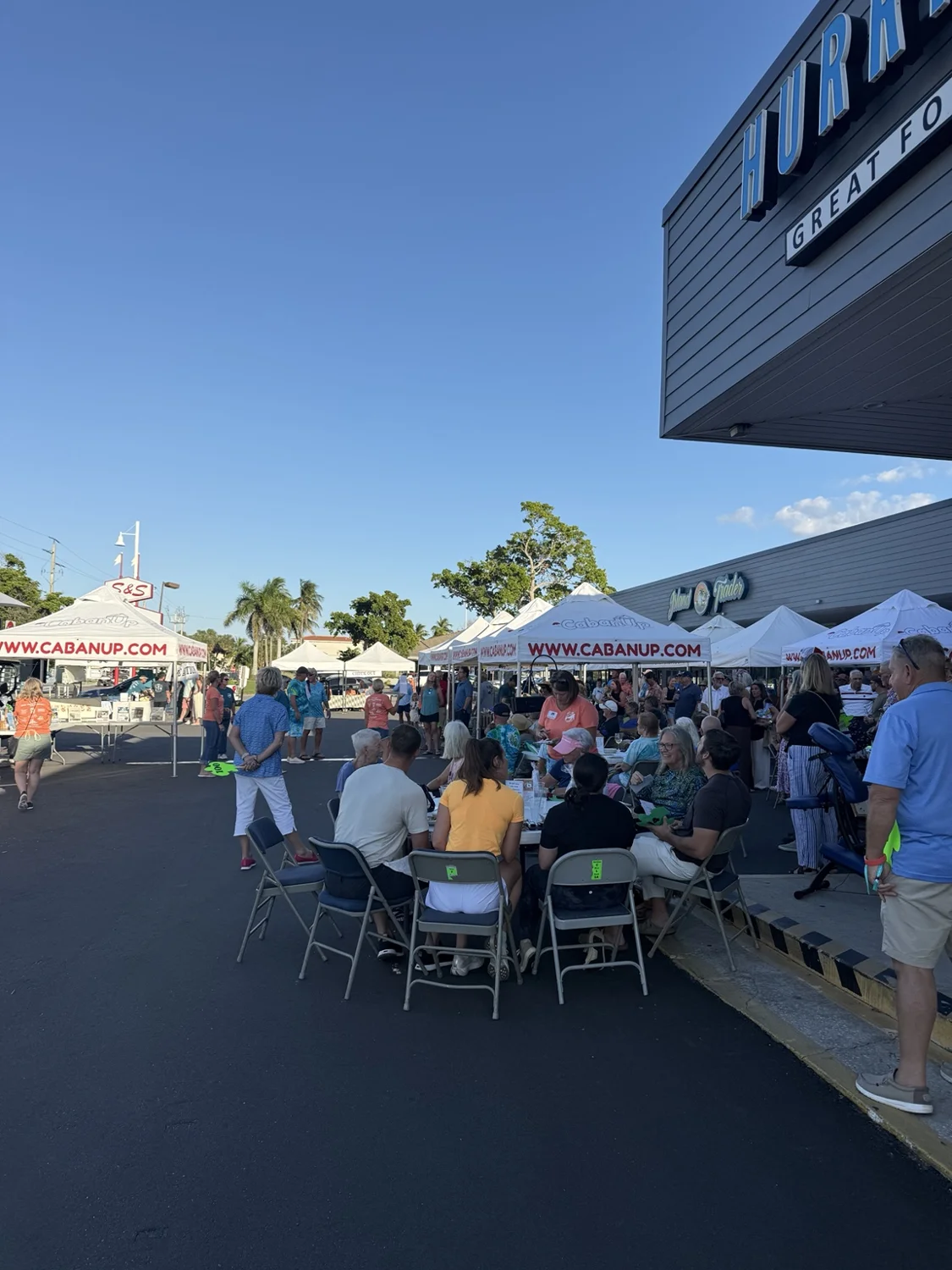
We provide and set up all the tents for their annual fundraiser, Suzi Fox Turtle Watch Wednesday—helping create a welcoming place for the island community to come together to support conservation.
It’s a cause close to home. We spend our days on these beaches, and we’re glad to lend a hand to the people caring for them.
Local beaches. Local wildlife. A community that shows up.
CabanUp tents set up for Turtle Watch Wednesday on Anna Maria Island.The island community coming together for Turtle Watch Wednesday.
OUR EVERYDAY COMMITMENT
Supporting wildlife, every beach day.
Our support goes beyond sponsoring Turtle Watch Wednesday. We help visitors enjoy the beach responsibly through the way we set up, care for, and remove their equipment.
Daylight setup and removal. We set up and remove beach equipment during daylight hours, helping keep the beach clean, flat, and clear for turtles at night.
A team that knows what to look for. We work with Anna Maria Island Turtle Watch & Shorebird Monitoring to educate our staff about what to look for, what to report, and how to avoid setting up over fresh turtle tracks.
Space for nesting wildlife. We set up at a safe distance from sea turtle and shorebird nests.
Secure beach equipment. We secure our gear to help prevent it from becoming a hazard in strong winds.
Guidance for our guests. We provide educational materials about protecting sea turtle nests while enjoying our equipment.
A cleaner shoreline. We provide trash bags and trash cans for our guests’ convenience and dispose of their trash at the end of the day. It’s one more way we help keep our beaches clean and protect local wildlife and marine life.
ENJOY THE BEACH. LEAVE IT READY FOR WILDLIFE.
Six simple ways to share the shore.
01
Give nests space.
Stay outside marked nesting areas and avoid disturbing nest stakes, turtle tracks, eggs, sea turtles, or shorebirds.
02
Keep nights dark.
Sea turtles need a dark background to see the night sky over the water. Birds use the night sky to navigate during migration. Close beachfront curtains after dark, and turn off outdoor lights that can be seen from the beach. Avoid using flashlights, cell phone lights, or flash photography on the beach at night.
03
Fill your holes.
Fill in holes you dig and flatten sandcastles to give wildlife a safe, clear path to the Gulf.
04
Clear your gear.
Take toys and personal beach equipment with you. Don’t leave obstacles on the sand overnight.
05
Keep it clean.
Pack out trash and food scraps. Never feed wildlife or leave fishing line behind.
06
Watch quietly.
Observe from a distance. Don’t chase birds, approach nesting turtles, or touch hatchlings.
A CLOSER LOOK
Watch. Learn. Share the shore.
Explore these videos shared by our Turtle Watch partners.
Anna Maria Island Turtle Watch & Shorebird Monitoring relies on community support. Donations help fund nesting supplies, wildlife transport to rehabilitation, education, and turtle-friendly lighting efforts.
Donation links open the organization’s official website. Contributions are made directly to them.
See an injured sea turtle or a hatchling in distress? Call Anna Maria Island Turtle Watch’s 24-hour hotline. Keep your distance and follow their guidance.
Community and wildlife photos were provided by CabanUp and its Turtle Watch partners. Least Tern photos: Kathy Doddridge. The loggerhead photograph is public domain; its location is not identified as Anna Maria Island.
HERE TO HELP
A little help with your beach day.
Planning a visit or have a question about your reservation? We’re here to help.